


Seating choice has a real impact on how a dining table works, how many people you can squeeze in, and the vibe of the whole room. Comfort, flexibility, and space usage can change a lot depending on whether you go for benches or stick with chairs.
What Defines a Dining Bench
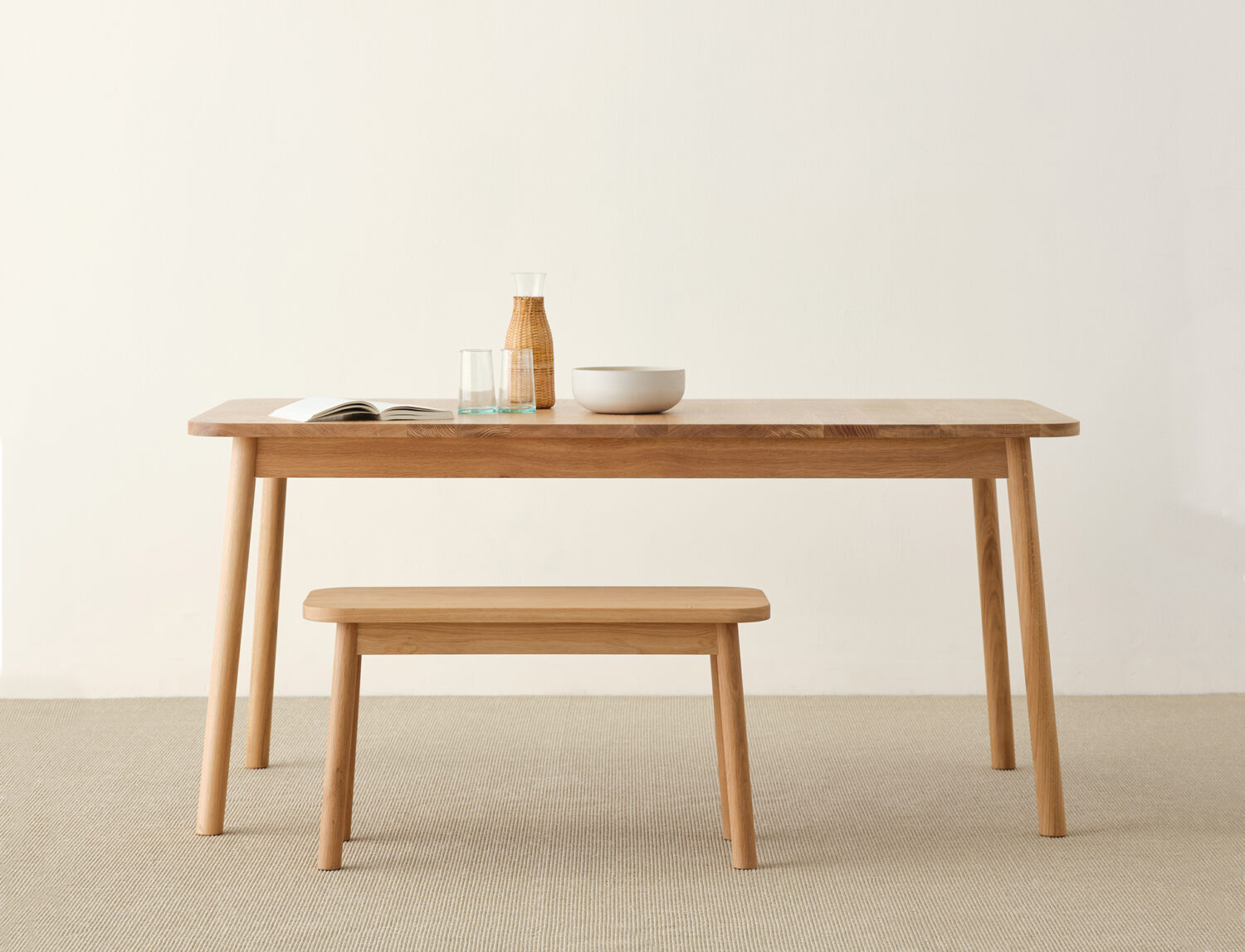
A dining bench is essentially a long seat, usually backless, built to fit two or more people. Benches fit right up against a wall or under a table, which is handy if you’re short on space.
There’s a trade-off, though: many benches don’t have back support, so they can get uncomfortable if you’re sitting for ages. We do offer benches with or without backs for this very reason, so you can choose what suits you. They’re great for informal meals and can easily double up as hallway or bedroom seating.
What Defines a Dining Chair
Dining chairs are individual seats, usually with backs, sometimes with arms, and they come in all sorts of heights and styles. They’re designed for comfort and to give everyone their own space at the table.
Chairs can be made from wood, metal, plastic, or padded up for extra comfort. Although note that we don’t make chairs from metal or plastic as we believe in using natural low-VOC materials for all of our furniture. They’re easy to rearrange, which is helpful if you’re always changing up your dining setup or host a lot.
Unlike benches, chairs take up a bit more room per person. But they’re better for posture and tend to feel more structured, good for formal dinners or if you just like having your own space.
How Seating Changes Dining Table Use
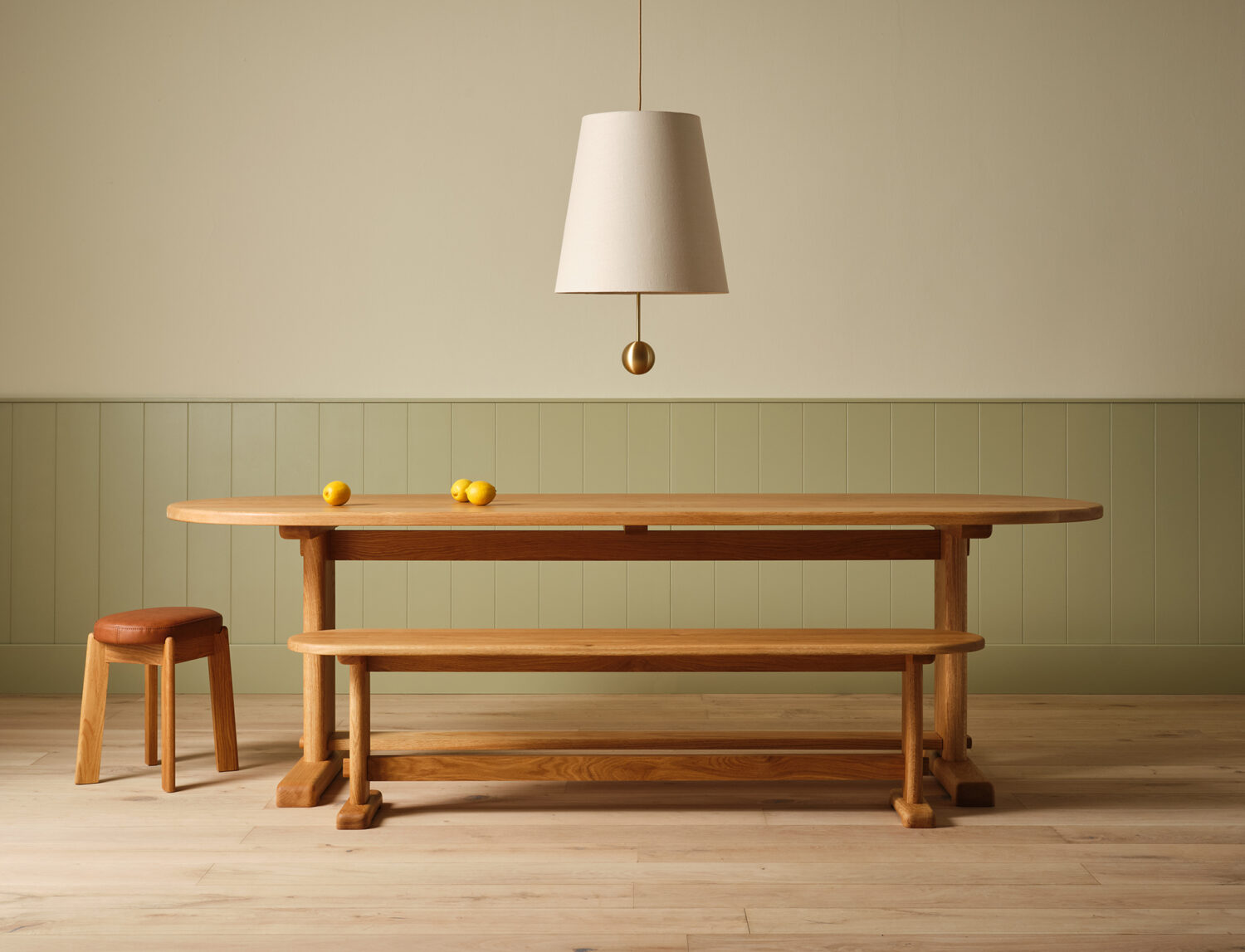
Benches bring a shared, laid-back feel to the table. You can fit more people on one side, which is perfect for families or if you want everyone squeezed in together.
Chairs, on the other hand, keep things a bit more formal and give each diner their own spot. They make it easier to move in and out, which is handy at bigger gatherings.
Some people end up mixing both, a bench on one side, chairs on the others. It’s a nice way to balance comfort and fit more people without making the room feel crowded.

Space Considerations for Dining Tables
How much space you have, and how you want to use it, often decides whether benches or chairs make more sense. The shape of the room and the table can tip the balance, too.
Room Size and Layout Impact
If you’ve got a big dining area, you can probably get away with either benches or chairs. Smaller spaces, though, tend to favour benches since they tuck in neatly and free up floor space.
Rectangular tables and benches are a natural pairing, benches slide under the table when not in use. Round tables, though? Chairs work better, since benches rarely fit the curve. And you’ll want to leave about 75 cm of clearance around the table so people aren’t bumping into things.
Chairs are easier to move around individually, which can be a lifesaver in narrow rooms or if your dining space doubles as something else.
Maximising Seating in Compact Dining Areas
Benches shine in tight spaces. You can seat more people along a bench than you could with the same length of chairs, and people can just scoot along as needed.
When you’re not using them, benches can disappear under the table or even move to another room, handy for anyone living in a flat or a small house.
A mix of a bench on one side and chairs at the ends can really help with squeezing in guests but still lets people get up easily. It’s a bit of a juggling act, though, if you’re trying to keep everyone happy.
If comfort is your top priority, padded chairs might still win out, even if they take up a little more space. It’s worth measuring your room and thinking about how you actually use the space before deciding.
Seating Capacity and Flexibility
Benches and chairs really do change how many people you can seat, and how easily you can adapt the table for different occasions. Each has its own quirks, especially if you’re dealing with kids or larger groups.
Accommodating Large Gatherings
Benches tend to squeeze in more people than individual chairs, there’s no wasted space between seatbacks. Hosting a big family meal? A bench can be a lifesaver.
- A 180cm table with benches can seat six to eight, sometimes more, while chairs need more space for each person.
- Benches slide right under when you’re done, so you’re not tripping over them.
Chairs, though, give everyone their own spot and make it easier to set the table for formal events. Plus, you can pull out a couple if you’ve got fewer guests.
Seating Children vs Adults
Benches work especially well if you’ve got kids, they can all pile on together, which makes keeping an eye on them easier. It’s informal and a bit chaotic, but in a good way.
Adults, especially older folks, tend to prefer chairs for the back support and, sometimes, the armrests. Long meals are just more comfortable that way.
Some families go for a hybrid: bench for the kids, chairs for the adults. It’s a bit of a compromise, but it does the job.
If you’re deciding based on who’s usually at the table, think about ages and how formal your meals get. It’s not a one-size-fits-all situation.
Comfort and Ergonomics
Comfort’s a big deal, especially if you’re the type to linger at the table. Support and cushioning can make or break your dining experience.
Back Support in Dining Chairs
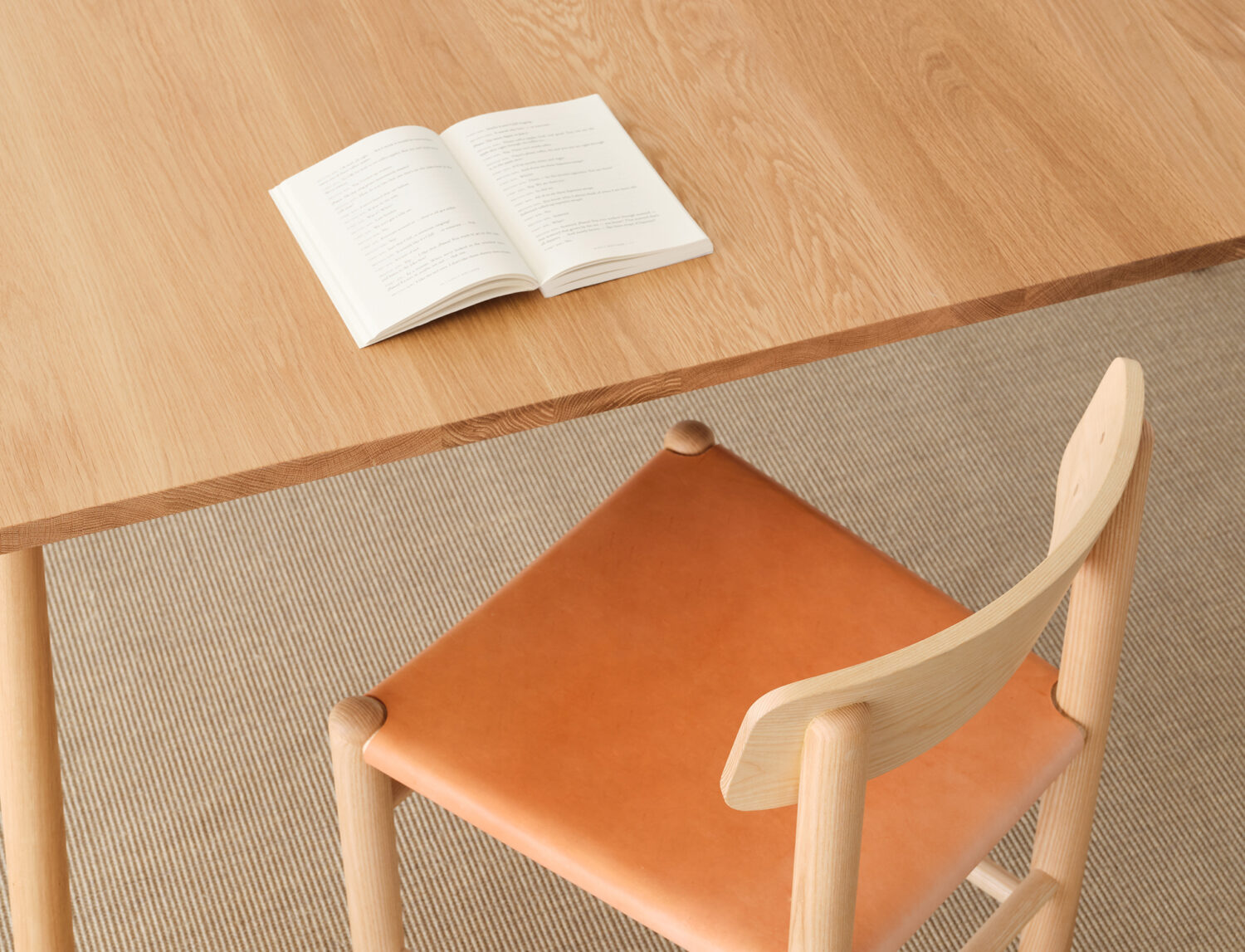
Chairs almost always win on back support. Many are shaped to fit your back, so you’re not slouching or shifting around the whole meal.
Armrests are a bonus, nice if you’re sitting for a while or just want to lean back. Of course, not every chair is created equal; some are better padded or more ergonomic than others.
For anyone who’s fussy about posture or has back issues, chairs are the safer bet. You can even pick ones designed for long, comfortable meals.
Bench Comfort and Cushioning
Benches, by design, don’t offer much back support. You’re relying on your own posture, which is fine for quick bites but can get old fast if dinner drags on.
Adding cushions helps, but it’s not quite the same as a real chair back. You can swap out cushions for a change of style or easier cleaning, though, which is a plus.
Some benches do come with backrests, but they’re not as common. If you’re all about that minimalist look, you’ll have to accept a bit less comfort for longer meals.
For families who love a cosy, informal setup, benches can work. Just pay attention to how long you’re actually sitting there.

Style and Aesthetic Impact
Benches and chairs don’t just change how you sit, they shape the whole look and feel of your dining room. It’s about atmosphere as much as function.
Modern vs Classic Dining Room Looks
Benches tend to give off a modern, minimalist vibe. They’re all about clean lines and open space, which works well in contemporary homes.
Chairs, meanwhile, lean classic. The right set can add a bit of drama or elegance, especially if you go for detailed woodwork or plush upholstery. They’re at home in everything from rustic farmhouses to more traditional dining rooms.
Which you choose really depends on your home’s style. Benches are great for a laid-back, communal feel. Chairs suit those who want a bit more structure and maybe a touch of old-school charm.
Blending Seating Types for Unique Interiors
Mixing benches and chairs isn’t just practical, it can look fantastic. A bench on one side, chairs on the rest, and suddenly your dining room feels layered and personal.
This mix works especially well in eclectic spaces, or if you’re trying to bridge modern and traditional styles. It also gives you the chance to play with different materials and colours, tying in other bits of your home’s design.
It’s a bit of a balancing act, but when it works, it really works.

Formality: Casual and Formal Dining Spaces
The kind of seating you pick says a lot about the mood you want for your dining area. Is it for formal dinners, or more of a gather-round-and-chat kind of space?
Suitability for Formal Dining Rooms
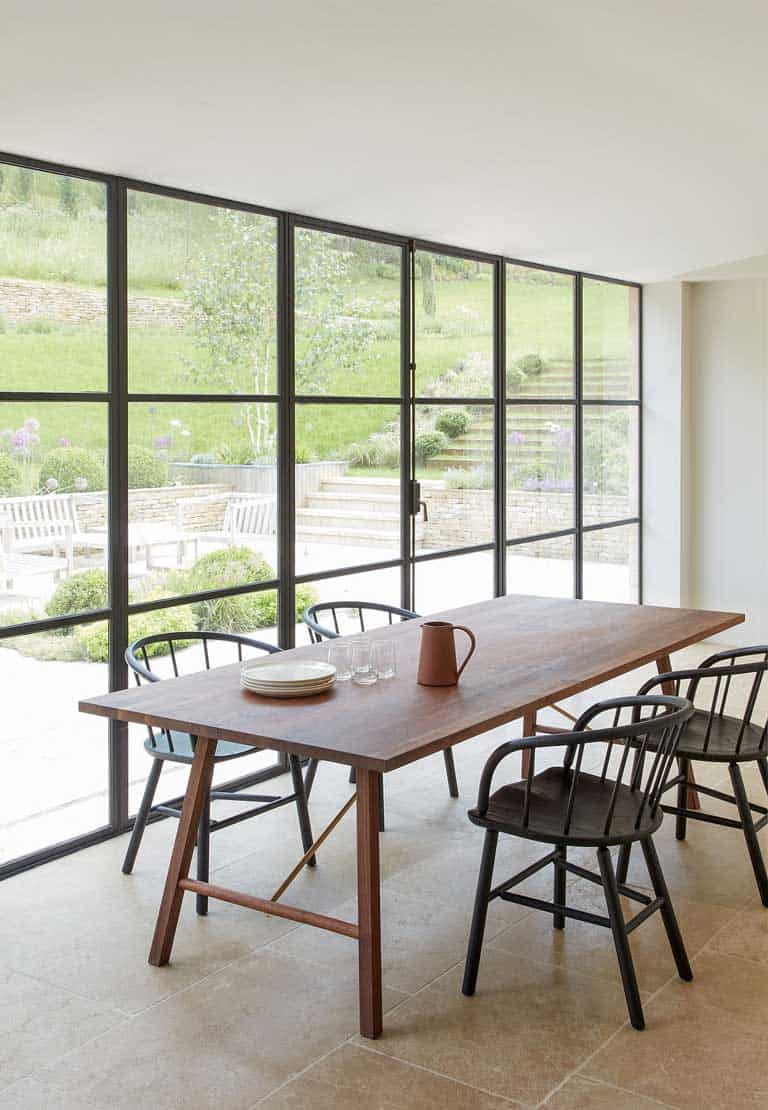
Chairs are almost always the go-to for formal dining rooms. They look polished, come in fancy fabrics or woods, and give each person their own defined spot.
They fit right in with elegant tables and more intricate décor, helping the room feel pulled together and a bit special.
Benches, on the other hand, don’t usually show up in formal settings. They’re just too casual, and the lack of back support doesn’t help if you’re hosting a long, sit-down meal.
Creating a Relaxed, Communal Atmosphere
If you’re after a more relaxed, communal feel, benches are the way to go. They’re perfect for kitchen nooks or family rooms, and they help everyone feel included.
They’re also a space-saver, which is handy in smaller homes or open-plan layouts. Throw on a few cushions and you’ve got a comfy, unfussy spot for meals.
Some people mix benches and chairs to get the best of both worlds, comfort and style, without losing that easy-going vibe.
Practicality and Everyday Use
When it comes down to it, the best choice is the one that fits your day-to-day life. Think about how much you move things around, how easy it is to clean, and what actually feels right for your household.
Ease of Access and Movement
Dining chairs give everyone their own spot, so you can get up or sit down without causing a domino effect. In a busy household, that freedom comes in handy, people are always popping up for something or other.
With benches, you can squeeze in more people, especially if space is tight. But there’s a catch: if you’re in the middle, you’ll need to ask others to shuffle so you can get out, which can be a bit of a nuisance mid-meal.
Benches really shine when folks tend to stay put, or when you just need to fit as many people as possible around the table.
Cleaning and Maintenance
Chairs are usually a breeze to clean. You can move them one by one to sweep or mop under the table, which is oddly satisfying if you’re a neat freak.
Upholstered seats might need the occasional spot clean or even a professional touch, depending on the fabric. It’s worth thinking about before you buy.
Benches, especially those that tuck under the table, can hide a bit of the mess. But if they fit snugly, cleaning underneath can be a pain, there’s always a crumb or two lurking down there.
Hard benches or those with removable cushions are easier to deal with. Fixed cushions, though? Not so much. They tend to collect whatever falls their way.
Materials and Durability
The material you pick for benches or chairs makes a real difference to how long they’ll last, and how much fuss they’ll need along the way. Some finishes hold up better than others, and that can save you headaches down the line.
Wooden Chairs vs Benches
Most wooden dining furniture uses hardwoods like oak, maple, or walnut. These are tough, they don’t mind a bit of wear, and they can be refinished if you’re feeling handy.
Chairs often have more detailed joinery and supports, great for stability, but it might mean more to look after. Benches are simpler, spread out the weight, and can take a bit more of a beating without complaining.
Some benches even hide storage underneath, which is clever, though hinges and lids might wear out faster. If you go for dense hardwood and a decent finish, both benches and chairs should last for years.
For more on how different woods stack up, have a look at this wooden dining furniture guide.
Upholstery and Fabric Choices
Upholstered chairs can be really comfortable if the frame’s solid. Picking the right fabric matters, a lot. Some are just easier to keep clean and less likely to fade.
- Leather ages beautifully but does need regular care or it’ll start to crack.
- Performance fabrics like microfiber shrug off spills and sunlight, which is a blessing if you’ve got kids or pets.
- Natural fibres look great but don’t always stand up to heavy use or messy meals.
Benches with upholstery need tougher fabric since they cover more ground. And don’t forget, the frame has to be sturdy, otherwise, you’ll get sagging or worse.

Versatility Beyond Dining
The choice isn’t just about the dining room. Benches and chairs both have their own ways of working in other corners of the house.
Some benches come with storage under the seat, which is genuinely useful for hiding away tablecloths, spare cushions, or even toys. That makes a difference in smaller homes, where space is always at a premium.
Benches also moonlight as hallway seats, foot-of-the-bed benches, or even makeshift coffee tables. They don’t dominate a room, and their simple shape means they fit in almost anywhere.
When space is tight, benches let you seat more people without crowding the room. That flexibility is great for families or anyone who entertains a lot.
Repositioning Chairs Around the Home
Chairs are lighter and easier to move, so they’re great for pulling into the living room when you have extra guests, or using as a desk chair in a pinch. That kind of flexibility is underrated, honestly.
With so many designs, armchairs, padded seats, and so on, you can find something comfortable for longer stints. Chairs lack storage, sure, but their adaptability usually makes up for it.
Being able to move them around easily is a real plus, especially if you like changing up your space or need extra seats now and then. For more on practical uses, see dining bench vs chairs guides.

Combining Benches and Chairs: Hybrid Solutions
If you’re torn, why not mix both? Pairing benches and chairs can strike a balance between casual and formal, and it keeps your options open.
One popular setup: a long bench on one side of the table, with chairs on the other. It’s relaxed but still feels pulled together. You get the best of both worlds, communal seating and defined spots.
Mixing materials can add character. Maybe a wooden bench with velvet chairs, or matching finishes for a more unified look. In small rooms, a bench saves space, and chairs make sure everyone’s comfortable for longer meals.
Keep colours and seat heights consistent, or at least close, so the arrangement feels intentional rather than thrown together. It’s a small detail, but it makes a difference.
When to Mix and Match
Mixing benches and chairs really comes into its own when you’re dealing with groups of different sizes, or when everyone at the table wants something a bit different in terms of comfort.
Benches are surprisingly handy, kids can squeeze on, or you can pull up an extra guest without much fuss.
Chairs, though, they’re the go-to for longer meals. The backrests and a bit of cushioning make all the difference when you’re sitting for a while.
Open-plan dining areas, with all their shifting needs, seem almost made for this kind of hybrid seating. You can shuffle things around as needed, which is a relief when life refuses to be predictable.
It’s a setup that suits families who want something casual most days, but still need to pull off a formal dinner every once in a while.
What actually works best? Well, that depends, on your table, your space, and honestly, how you live.
Blending different seats isn’t just practical, it can show a bit of personality too. For more on this, you might want to have a look at hybrid dining ideas at Dutch Craft Furniture.

