


Oak furniture is a bit of a double-edged sword when it comes to the environment. There are notable benefits, but also some stubborn challenges for anyone who cares about their impact.
The furniture industry as a whole is a heavy hitter in terms of energy use and deforestation. So, picking what your table is made from suddenly feels weightier than it used to.
Defining Oak Furniture and Its Popularity
Oak furniture, as you’d expect, is made from oak wood, a hardwood celebrated for its strength and those unmistakable grain patterns. E.g. dining tables, wardrobes, bed frames, even the odd bookshelf.
People seem drawn to oak for its durability. With a bit of care, oak furniture can outlast several generations, which is quite something if you’re tired of replacing cheap flat-pack pieces.
There’s also that classic look: rich, golden-brown tones that somehow manage to work with just about any interior style. Oak ages gracefully, which is more than can be said for most of us.
Popular oak furniture types include:
- Dining room sets
- Bedroom furniture
- Kitchen cabinets
- Bookcases and shelving
- Living room storage
Because oak is so workable, craftspeople aren’t limited to blocky basics, they can go intricate, which keeps oak in demand for both traditional and modern tastes.
Environmental Impact Compared to Other Materials
Oak does have a leg up on synthetic materials. It needs far less processing than, say, plastic, so less energy is guzzled during manufacturing.
Environmental comparison:
| Material | Processing Energy | Biodegradability | Longevity |
|---|---|---|---|
| Oak Wood | Low | Yes | High |
| Plastic | High | No | Medium |
| MDF/Chipboard | Medium | Limited | Low |
| Metal | Very High | Partial | High |
Oak’s ability to break down naturally is a real plus. It decomposes without leaving nasty residues, unlike plastics that just stick around forever.
Then there’s carbon sequestration. Growing trees pull in CO₂ and lock it away in their wood, which is a subtle but important climate benefit.
But let’s not get too rosy, deforestation is a massive problem for hardwoods, oak included. If it’s not sourced responsibly, the benefits unravel pretty quickly.
Key Environmental Concerns in Furniture Choices
Deforestation is the elephant in the room for oak furniture. The World Resources Institute says we lose 18 million acres of forest a year, which is staggering and, frankly, worrying.
Manufacturing isn’t innocent either. Production burns energy and releases emissions, and then there’s the issue of chemical finishes and coatings.
Transporting heavy oak pieces around the globe isn’t exactly green. Local sourcing can help, and it’s a nice way to support local makers too.
Critical factors to consider:
- Certification standards (FSC or PEFC)
- Harvesting methods
- Manufacturing location
- Chemical treatments used
- End-of-life disposal options
Quality matters, better-made pieces last longer, so you’re not replacing them every few years. That’s less waste, less fuss, and fewer resources used overall.
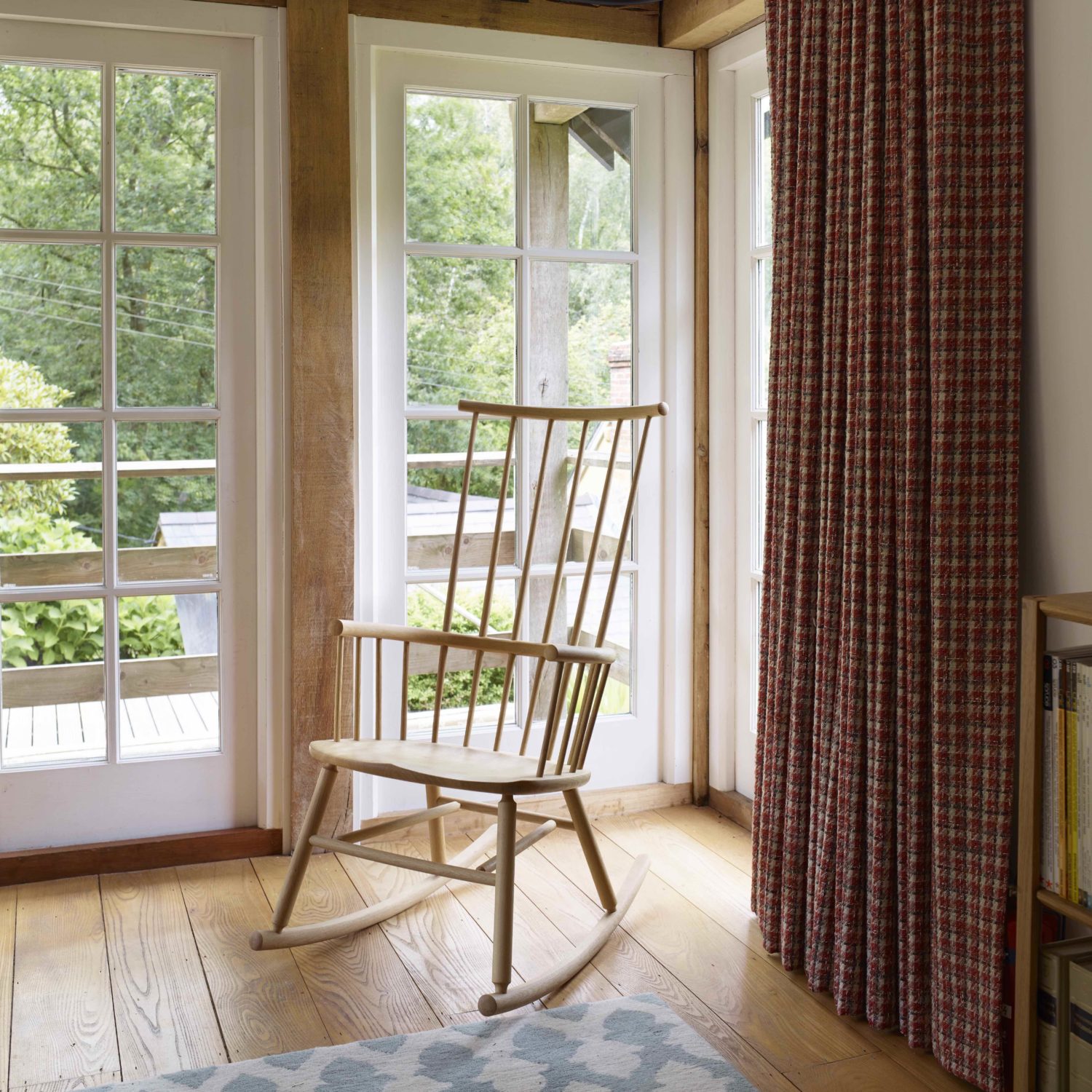
Oak Wood: Characteristics and Environmental Significance
Oak wood is, frankly, tough stuff. The dense grain and natural resistance to pests mean it doesn’t just last, it shrugs off the years with a certain stubbornness. Meanwhile, living oaks are quietly propping up wildlife habitats and tucking away carbon in their trunks.
Properties of Oak Wood
Oak’s density and strength come from its slow growth. That density is why oak furniture can hang around for generations, it’s not just marketing fluff.
It’s loaded with tannins, which give it natural protection against bugs and fungi. That means fewer chemicals are needed, which is a relief if you’re wary of toxins in your home.
The grain varies, white oak tends to be straight and tight, red oak goes a bit wilder with reddish hues. It’s one of those things you notice more the longer you live with it.
Key characteristics include:
- Density: 600-900 kg/m³
- Moisture resistance
- Natural antimicrobial properties
- Excellent workability
Oak’s thermal mass is sometimes overlooked, but it can help regulate indoor temperatures. It’s a subtle way to save energy, especially in older homes.
Oak as a Hardwood and Its Longevity
Oak grows slowly, packing its wood with dense fibres. That makes for timber with serious structural integrity.
With decent care, oak furniture can last decades, sometimes centuries. You don’t see that with most materials these days.
It’s not just about looks. Oak stands up to heavy use: kitchen worktops, floors, beams, some of these last 50, 100 years, maybe longer.
Longevity benefits:
- Reduced waste generation
- Lower resource consumption over time
- Decreased transportation emissions
- Minimal maintenance requirements
Softwoods just don’t compare. They often need replacing within a couple of decades, while oak keeps going, both structurally and aesthetically. That’s why it’s prized in both furniture and construction.
Role of Oak Trees in Ecosystems
One mature oak can host over 500 insect species. That’s an ecosystem in itself, and those insects feed birds, mammals, and all sorts of wildlife.
Ancient oak woodlands are more than just pretty, they’re vital corridors linking up fragmented habitats. When oaks decline, the ripple effects on biodiversity are dramatic, especially in the UK.
Oaks are carbon sinks, plain and simple. Big, old oaks keep pulling in carbon for centuries, which is a quiet but powerful tool against climate change.
Their roots dig deep, holding soil in place and helping with water retention. They even create underground networks that benefit other plants, nature’s own internet, if you like.
Ecosystem services provided:
- Wildlife habitat creation
- Carbon storage and sequestration
- Soil stabilisation
- Water cycle regulation
- Air purification
Some species, certain butterflies, moths, lichens, are completely dependent on oaks. If the trees go, so do they. It’s a sobering thought.
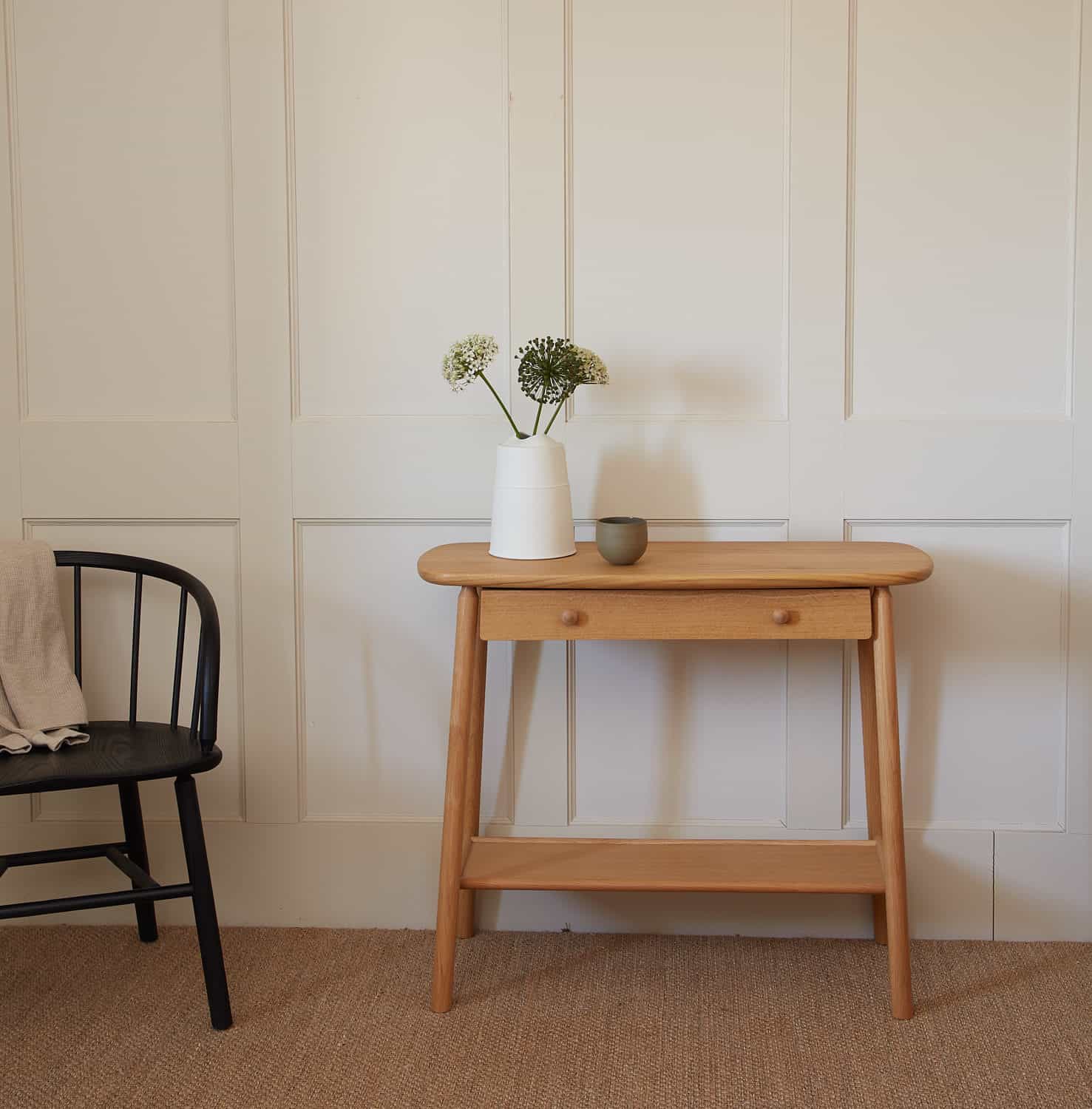
Sourcing and Responsible Harvesting of Oak
Where oak comes from and how it’s harvested makes all the difference. Responsible sourcing means legal, sustainable harvesting, and if you can get it locally, all the better for the planet.
Sustainable Logging Practices
Sustainable logging isn’t just a buzzword, it’s about keeping forests healthy while still getting timber. The trick is to cut at the right time and avoid wrecking the ecosystem in the process.
Good forestry rotates where it harvests, lets areas regenerate, and keeps buffer zones around streams. Wildlife habitats aren’t just bulldozed for convenience.
Key sustainable practices include:
- Selective cutting rather than clear-cutting entire areas
- Replanting programmes to replace harvested trees
- Soil protection measures to prevent erosion
- Minimising machinery impact on forest floors
Responsible operations plant new oaks to replace those felled. That’s the only way to keep the cycle going without gutting natural forests.
Modern logging gear is less brutal on the land. Reduced-impact equipment protects the forest floor and the trees left standing.
Certifications: FSC and PEFC
There are two main certifications worth looking for: Forest Stewardship Council (FSC) and Programme for the Endorsement of Forest Certification (PEFC). They’re not perfect, but they’re a decent sign someone’s paying attention.
FSC and PEFC mean the wood comes from forests managed to strict environmental and social standards. They track the whole chain, from stump to shop floor.
FSC requirements include:
- Protecting biodiversity and endangered species
- Respecting indigenous peoples’ rights
- Maintaining water quality and soil health
- Fair wages for forest workers
PEFC tends to focus more on small forest owners and regional standards. Both require regular audits and paperwork tracing the wood’s journey.
If you want to check, certified oak furniture usually comes with a label or certificate. It’s not foolproof, but it’s a start toward making a more informed, environmentally responsible choice.
Local Sourcing and Its Benefits
Local sourcing reduces transportation emissions from long-distance shipping. British oak furniture skips the whole overseas shipping ordeal, so the carbon footprint drops dramatically.
Domestic sourcing keeps local forestry jobs alive and helps rural communities hang on. Plus, it means furniture makers actually know where their wood comes from, and how it was harvested.
Transport distances really matter when it comes to total environmental impact. Oak shipped from far-off countries racks up a lot of fuel use, from container ships to lorries and all the handling in between.
Local sourcing advantages:
- Lower carbon emissions from reduced transport
- Support for domestic forestry industries
- Better supply chain transparency
- Shorter delivery times to consumers
British oak forests tend to be well-managed under pretty strict environmental rules. That gives a bit more confidence in sustainable harvesting than you might get with some overseas suppliers.
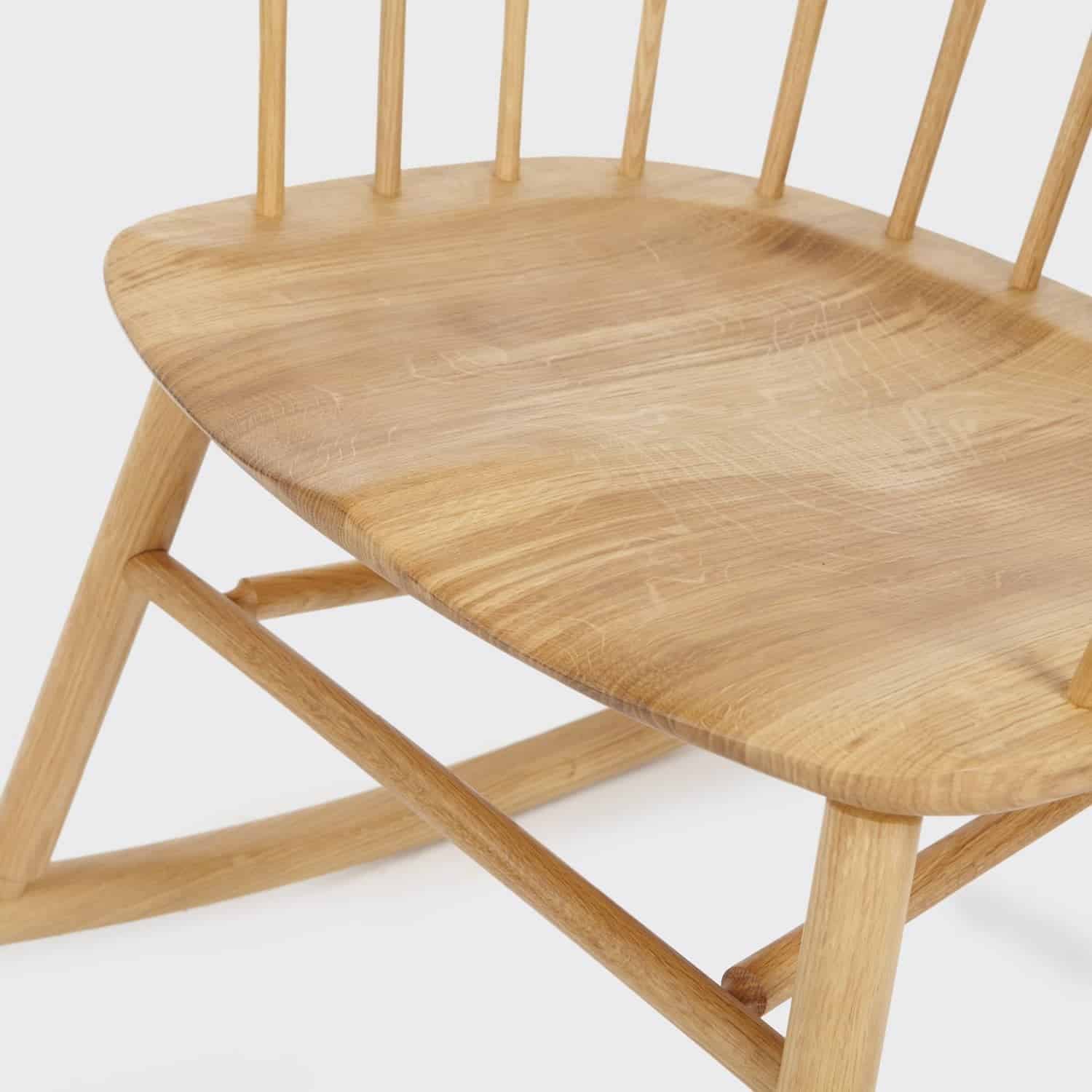
Deforestation and Biodiversity Loss
The production of oak furniture contributes to deforestation through unsustainable logging practices, destroying critical habitats and disrupting entire ecosystems.
This destruction leads to significant biodiversity loss and causes soil erosion that weakens the forest floor.
Impact of Logging on Forests
Oak harvesting removes mature trees that serve as foundation species in woodland ecosystems. These trees take decades to reach maturity, so chopping them down can really mess with forest stability.
Commercial logging operations often clear large sections of oak woodlands. This fragments the remaining forests and leaves wildlife populations stranded in isolated patches.
The furniture industry’s reliance on oak and other hardwoods keeps up a steady demand for fresh timber. Manufacturers source from both legal and illegal logging operations, sometimes it’s hard to tell which is which.
Primary logging impacts include:
- Loss of canopy cover
- Disruption of root systems
- Removal of seed sources
- Habitat fragmentation
Many forests can’t bounce back quickly enough to keep up with commercial demands. Young saplings just don’t offer the same complexity or shelter that mature oak trees do.
Threats to Biodiversity
Oak trees support more wildlife species than most other British trees. Research shows oak decline significantly impacts biodiversity and ecosystem function.
A single mature oak can host over 500 insect species. Birds, mammals, and fungi all depend on these insects, so when the oak goes, the rest often follow.
Species affected by oak removal:
- Woodland birds (woodpeckers, nuthatches, jays)
- Small mammals (squirrels, dormice)
- Insects (beetles, moths, caterpillars)
- Fungi and lichens
Loss of keystone species like oak affects entire food webs. When oak trees vanish, animals that rely on them either move on or their numbers drop.
Endemic species are especially at risk. Many simply can’t adapt to new tree species or find alternative habitats fast enough.
Soil Erosion and Ecosystem Imbalance
Oak trees have deep root systems that anchor soil and keep erosion in check. Without them, slopes are wide open to rainfall and wind damage.
The taproot structure of oak digs in deep, and the surface roots form a network that holds topsoil during storms. Once that’s gone, the rain doesn’t stick around, it just runs off, dragging fertile soil with it and carving gullies in its wake.
Consequences of soil loss:
- Reduced water retention
- Decreased soil fertility
- Increased flooding risk
- Loss of understory plants
Deforestation disrupts natural water cycles and degrades soil quality. The ecosystem left behind struggles to support the same diversity of life.
Erosion doesn’t just stay put, either. Sediment from cleared oak forests ends up clogging streams and rivers, which can be a disaster for aquatic life.
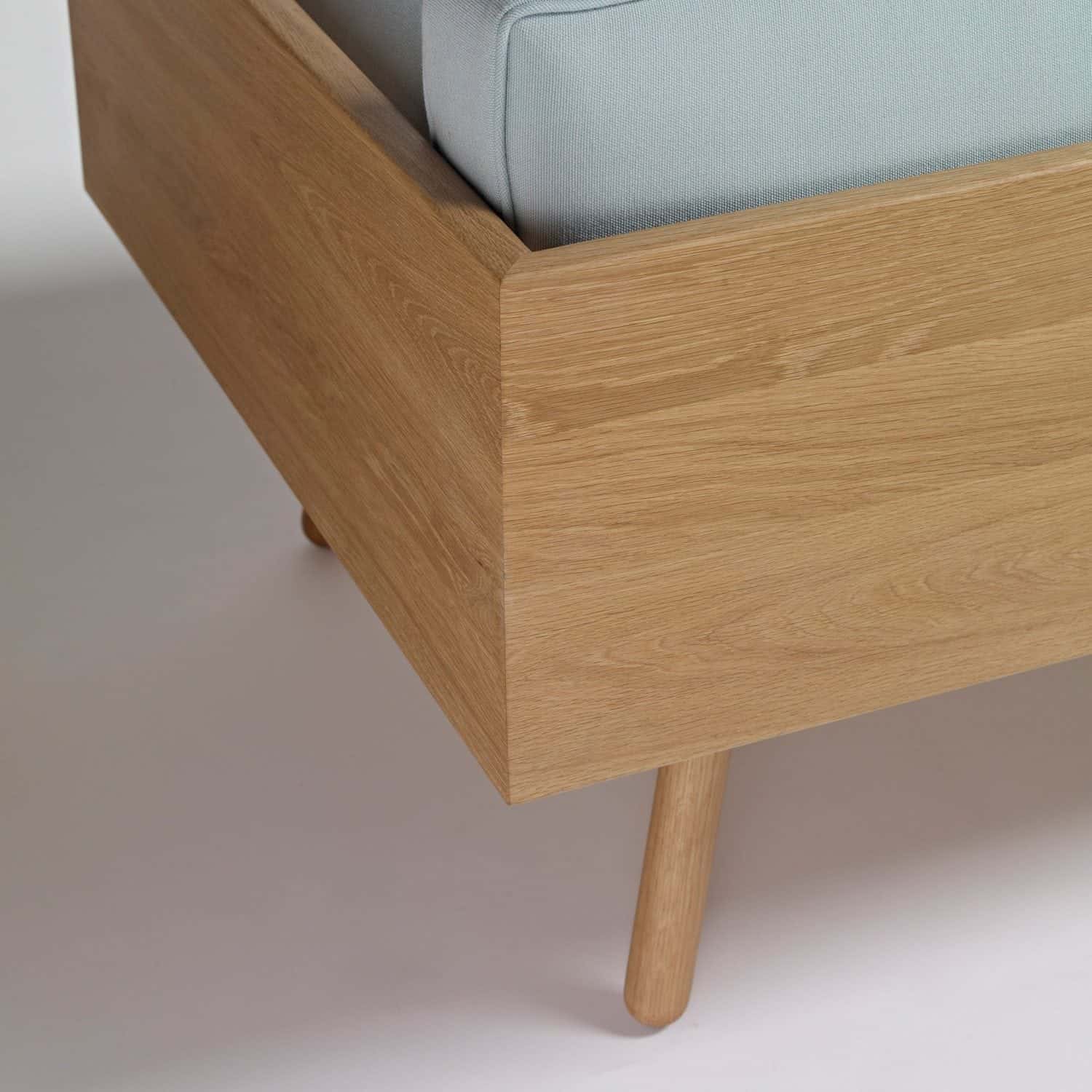
Carbon Footprint and Climate Change Implications
Oak furniture’s relationship with climate change is tangled up in three main processes: forests pulling carbon dioxide out of the air, emissions from production and transport, and the long-term storage of carbon inside finished pieces.
Carbon Sequestration in Oak Forests
Oak forests act as natural carbon sinks by absorbing carbon dioxide from the atmosphere during photosynthesis. Mature oak trees can sequester about 22 kilograms of carbon dioxide each year, nothing to sneeze at.
This process keeps rolling for the oak’s lifetime, which can stretch over 200 years. Young oaks soak up carbon faster while they’re growing, but older trees store more overall, thanks to their bulkier trunks and roots.
Oak forests play a crucial role in combating climate change and can potentially absorb nearly one-tenth of global carbon emissions. That absorption happens in both the tree itself and the soil it stands in.
Sustainably managed oak forests keep the carbon sequestration cycle going through selective harvesting. When old trees are cut, younger ones take over the carbon absorption, creating a renewable cycle of climate benefits.
Greenhouse Gas Emissions Throughout the Life Cycle
Manufacturing oak furniture creates carbon emissions at several stages. Harvesting, transporting, and processing all add up in the carbon footprint tally.
Transportation distances make a noticeable difference. Local sourcing reduces the carbon footprint by cutting out long hauls for raw materials and finished goods.
Processing steps, sawing, drying, finishing, pile on more emissions. Kiln-drying oak timber is especially energy-hungry, usually making up 15-25% of total manufacturing emissions.
Key emission sources include:
- Harvesting equipment fuel consumption
- Transportation by lorries and ships
- Electricity use in sawmills and workshops
- Chemical treatments and finishes
The furniture industry represents the third largest user of wood resources globally. Emission reduction strategies are, frankly, overdue.
Carbon Storage in Oak Furniture
Oak furniture acts as a carbon storage system, trapping carbon dioxide that trees absorbed during growth.
When timber is used in furniture, the carbon remains locked within the structure, keeping it out of the atmosphere for the long haul.
The durability of oak furniture means that carbon can stay locked away for decades, sometimes centuries. If you look after it, an oak piece could be around long after you’re gone, still holding onto that carbon.
Carbon storage benefits:
- Immediate storage: Carbon captured during tree growth remains trapped
- Long-term retention: Durable oak pieces store carbon for 50-200 years
- Delayed emissions: Carbon release only occurs when furniture decomposes
Oak’s resistance to decay stretches out the carbon storage period compared to flimsier materials. Heirloom-quality oak furniture, passed down through generations, really maximises that climate benefit.
And if you recycle or repurpose oak furniture, you can keep that carbon locked up even longer, plus, you help take the pressure off new timber harvesting.
Manufacturing Processes and Environmental Challenges
Oak furniture production comes with some hefty environmental baggage, high energy demands, chemical treatments, and a fair bit of waste. Furniture manufacturing processes burn through a lot of energy and release plenty of emissions.
Energy Consumption and Emissions
Making oak furniture eats up electricity at every stage. Sawing, planing, sanding, finishing, it all adds up, especially with power tools and big machinery.
Most factories still run on fossil fuels, so carbon emissions are baked into the process. Energy-intensive manufacturing processes are a huge chunk of the industry’s overall carbon footprint.
Kiln-drying oak timber is a real energy hog. This step pulls moisture from freshly cut wood to stop warping and cracking, but traditional kilns often use natural gas or coal for heat.
Transport between production stages adds another layer of emissions. Raw timber goes from sawmills to factories, and finished pieces then head out to distribution centres and shops.
Some manufacturers have started investing in renewables, solar panels, wind power, that sort of thing. Still, most oak furniture is made with good old-fashioned grid electricity, which is usually fossil-fuelled.
Use of Harmful Chemicals
Oak furniture production uses quite a few chemical treatments, and not all of them are friendly to the environment. Wood stains, varnishes, and protective coatings often contain volatile organic compounds (VOCs) that give off nasty fumes.
Formaldehyde pops up in a lot of adhesives for laminated oak products. This stuff keeps releasing gases even after the furniture is in your home, contributing to indoor air pollution.
Preservatives keep oak safe from bugs and rot, but they can leach into soil and water during manufacturing or disposal. Some use copper-based chemicals that stick around in ecosystems for ages.
Solvent-based finishes are especially problematic, they release benzene, toluene, and other hazardous pollutants during application and curing. Workers get a direct hit, but nearby communities can feel it too, with worse air quality.
There are low-VOC and water-based alternatives on the market now, and some manufacturers are making the switch. But let’s be honest: traditional treatments are still common because they’re tough and cheap.
Waste Generation in Production
Oak furniture manufacturing churns out a lot of waste. Sawmills create sawdust, wood chips, and offcuts, much of which just ends up in landfill.
Common waste materials include:
- Sawdust from cutting operations
- Wood shavings from planing
- Offcuts from sizing timber
- Sanding dust and debris
- Packaging materials
- Defective finished products
Poor planning can make the waste problem worse, inefficient cutting patterns mean more offcuts, and quality control failures lead to scrapped furniture that never sees a living room.
Some facilities are getting smarter about waste reduction. Sawdust can be turned into biomass fuel or particle board, and wood chips can be used as mulch.
Still, plenty of smaller manufacturers just don’t have the resources for proper waste management. Much of their production waste ends up in regular landfill, where it breaks down and releases methane, a greenhouse gas that’s even worse than carbon dioxide.

Indoor Air Quality and Pollutants
Oak furniture can introduce chemicals into your home’s air, sometimes in ways you might not expect. The finishes and treatments on the wood make a big difference in how much these materials affect your living space.
Volatile Organic Compounds and Air Pollution
Here’s the thing: oak furniture releases volatile organic compounds, VOCs, into the air through off-gassing. That’s basically the slow escape of chemicals from treatments, stains, varnishes, and adhesives used in manufacturing.
Common VOCs from oak furniture include:
- Formaldehyde from adhesives and finishes
- Toluene from stains and solvents
- Benzene from wood preservatives
- Acetone from lacquers
Treated woods placed in indoor environments start releasing these chemicals as soon as they settle into your home’s temperature. That means pollutant levels can rise, especially if you’ve just brought in something new.
New oak furniture, in particular, tends to give off higher concentrations of VOCs. This process can drag on for months, sometimes even years, after you’ve set the piece in place.
Solid oak furniture usually emits fewer VOCs than engineered wood. The latter is packed with extra adhesives and synthetics, which means more chemicals in the air.
Impact on Indoor Environments
Indoor air quality is about the air you breathe inside buildings, your home, your office, wherever. Oak furniture is just one of many contributors to indoor air pollution, but it’s not insignificant.
Indoor pollutant levels can actually surpass those outside, especially if your ventilation isn’t up to scratch. Furniture is only one slice of that pie, but it’s worth paying attention to.
Health effects from furniture-related pollutants:
- Headaches and dizziness
- Eye and throat irritation
- Respiratory problems
- Fatigue and concentration issues
If you have asthma or you’re sensitive to chemicals, you’re likely more vulnerable to VOCs. Kids and older folks? They’re at higher risk too.
It really comes down to how much furniture you have, the size of your rooms, and how well you air things out. Smaller rooms packed with oak pieces will see higher pollutant levels, no surprises there.
Reducing Exposure to Pollutants
Opting for oak furniture finished with low-VOC or water-based products can make a real difference. Eco-friendly, low-VOC finishes are a smart way to keep indoor air cleaner, and honestly, who doesn’t want that?
Strategies to minimise pollutant exposure:
| Method | Effectiveness | Timeline |
|---|---|---|
| Improved ventilation | High | Immediate |
| Low-VOC finishes | Very high | Long-term |
| Air purifiers | Moderate | Ongoing |
| Off-gassing period | High | 2-6 months |
Letting new oak furniture air out in a well-ventilated spot, maybe the garage or even outside, can help. It’s a small step, but it cuts down what you’re breathing in once it comes inside for good.
Natural oak finishes like wax or plant-based oils barely emit chemicals at all. They’ll protect your furniture and help keep your air healthier, seems like a win-win.
Opening windows or running mechanical ventilation helps flush out pollutants. Air purifiers with carbon filters can also snag some of those VOCs floating around from your oak furniture.
Durability, Longevity, and Waste Reduction
Oak furniture’s durability makes a real dent in environmental impact. Longer-lasting products mean less waste and fewer replacements over time.
The material’s natural resistance to damage is impressive, and a decades-long lifespan puts it ahead of most alternatives. That’s not just marketing, it’s backed up by how these pieces actually age.
Benefits of Long-Lasting Oak Furniture
Oak furniture stands out for its longevity. With a bit of care, a quality oak piece can last 50, 80, even 100 years. That’s not an exaggeration; you’ll see families passing down oak tables for generations.
The wood’s dense grain gives it real backbone. Oak shrugs off warping and cracking, and those tannins? They’re nature’s own defence against insects and rot.
Furniture crafted from oak can really go the distance. The longer it lasts, the fewer throwaway replacements we need to churn out. That’s a direct environmental benefit, one sturdy table can keep a handful of cheap ones out of landfill.
Yes, oak costs more up front, but over the long haul, its environmental footprint shrinks compared to constantly swapping out cheaper stuff.
Reducing Waste Through Durability
Quality oak furniture is a quiet waste reducer. The longer it lasts, the less ends up discarded, and that’s a big deal in a world drowning in broken flat-pack.
Key waste reduction benefits include:
- Fewer manufacturing cycles required
- Reduced packaging materials over time
- Less transportation emissions per year of use
- Decreased demand for raw materials
Oak’s resilience means pieces can outlast generations. One dining table could see three, four families come and go. That kind of lifespan is rare these days.
The idea of embodied energy is central here. Oak furniture’s initial energy cost gets spread over decades, making its annual impact surprisingly modest compared to furniture you have to replace every few years.
Waste Management Strategies
Oak furniture has a leg up in waste management thanks to its biodegradability. Unlike synthetics, oak breaks down naturally when its time is up, which is more than you can say for most modern materials.
Effective waste management approaches for oak furniture:
| Strategy | Environmental Benefit | Implementation |
|---|---|---|
| Reuse | Extends product lifecycle | Donation, resale markets |
| Refurbishment | Restores functionality | Professional restoration |
| Repurposing | Creates new functions | DIY projects, upcycling |
| Recycling | Material recovery | Wood chipping, biomass fuel |
When an oak piece finally reaches end-of-life, there are options beyond the skip. Antique shops and second-hand markets snap up reusable pieces. Even battered furniture can often be restored instead of binned.
The wood itself still has value, even if the furniture doesn’t. Oak can be chopped up for smaller projects, turned into biomass fuel, or composted. It’s a material that keeps on giving, really.
More communities are getting behind furniture rescue and restoration schemes. These not only keep oak out of landfill, but also make solid furniture accessible for more people.
Recycling, Reuse, and Circular Economy
Oak furniture is a natural fit for recycling and reuse. Its toughness and long life make it perfect for a circular economy approach, where reclaimed materials and end-of-life recovery matter more than ever.
Reclaimed Oak and Upcycling
Reclaimed oak is a bit of an unsung hero. Sourced from old buildings, retired furniture, or architectural salvage, it avoids new tree felling and gives the wood another shot at usefulness.
Upcycling oak furniture can slash waste by 40-60% compared to tossing it. This isn’t just recycling, it’s about transforming old pieces into something fresh and functional.
Key benefits of reclaimed oak:
- Eliminates need for new timber harvesting
- Reduces transportation emissions from logging sites
- Preserves mature oak characteristics and grain patterns
- Decreases landfill waste from demolished structures
The character of aged oak is tough to fake. Those marks and patina tell a story, and for many, that’s half the appeal of a reclaimed piece.
Recycling at End-of-Life
When oak furniture can’t be saved, recycling breaks it down into usable bits. Wood recycling helps cut environmental impact by recovering and reprocessing the material.
Recycling processes include:
- Dismantling: Separating hardware, joints, and solid wood sections
- Processing: Chipping or milling wood for composite materials
- Biomass conversion: Using waste wood for renewable energy production
Even after its furniture days are over, quality oak timber is still valuable. Big chunks can become flooring or new furniture; scraps might end up as mulch or biomass fuel.
Professional recyclers can recover 80-90% of the materials from oak furniture. Metal bits get sorted out, while adhesives and finishes need special handling.
Promoting a Circular Economy in Furniture
The circular economy is all about keeping resources in play, repairing, refurbishing, recycling. Oak fits right in, thanks to its repair-friendly nature and staying power.
Circular strategies for oak furniture:
- Design for disassembly: Modular pieces with removable joints
- Repair services: Professional restoration to extend lifespan
- Buy-back programmes: Makers reclaiming old pieces for a second round
- Sharing platforms: Rental and leasing to reduce demand for new
There’s evidence that circular practices can cut greenhouse gas emissions by up to 88%. Oak manufacturers are starting to get on board, with take-back schemes and modular designs gaining traction.
With its durability, oak is made for circular models. A single table might serve a handful of households, patched up and passed along, all while keeping resource use in check.
Comparing Oak to Alternative Materials
Oak furniture isn’t without competition. Bamboo, for example, is rapidly renewable, while synthetics offer durability but come with their own environmental baggage.
Oak vs. Bamboo and Other Woods
Bamboo grows at a dizzying pace, reaching maturity in just 3-5 years. Compare that to oak’s slow, steady 50-100 year journey and the difference is striking.
This speed makes bamboo highly renewable, and it gobbles up less land over time. But there’s a catch.
Bamboo furniture generally needs more processing and adhesives than solid oak. Many bamboo pieces rely on formaldehyde-based glues, which can release volatile organic compounds, never a great thing indoors.
Pine and other softwoods grow quicker than oak, sure, but they just don’t last as long. A pine table might be ready for retirement in 10-15 years, while oak furniture can last generations.
Density Comparison:
- Oak: 750 kg/m³
- Bamboo: 400-700 kg/m³
- Pine: 350-500 kg/m³
Oak’s higher density means greater strength and longevity. Fewer replacements, less waste, it’s hard to argue with that.
Plastics and Synthetic Alternatives
Plastic furniture is weather-resistant and, let’s be honest, pretty low-maintenance. But most plastics come from petroleum, a non-renewable resource with a hefty carbon footprint.
Plastics don’t really go away. Once a plastic chair is done, it’s landfill-bound or needs energy-hungry recycling.
Oak wood production uses less energy than many synthetics and keeps storing carbon as long as it’s around. When it eventually breaks down, it actually returns nutrients to the soil.
Some recycled plastic furniture uses post-consumer waste, which is a step in the right direction. Still, these pieces don’t sequester carbon like wood does.
And while synthetics can be durable, oak’s natural longevity is tough to beat.
Sustainable Material Innovations
Reclaimed materials are catching on as alternatives to freshly harvested timber. Old oak beams can find new life as furniture, no new trees felled.
Engineered wood products make the most of timber by using fibres and offcuts. They can blend fast-growing species with hardwoods like oak.
Bio-based plastics, made from plants, promise synthetic properties with renewable origins. But they often require a lot of processing and may even compete with food crops for farmland.
Key Innovation Areas:
- Cork composites
- Mycelium-based materials
- Agricultural waste products
- Recycled content integration
Every new material has its trade-offs, renewability, durability, or how much processing is needed. Oak’s old-school approach still has an edge in lasting power and minimal fuss in production.
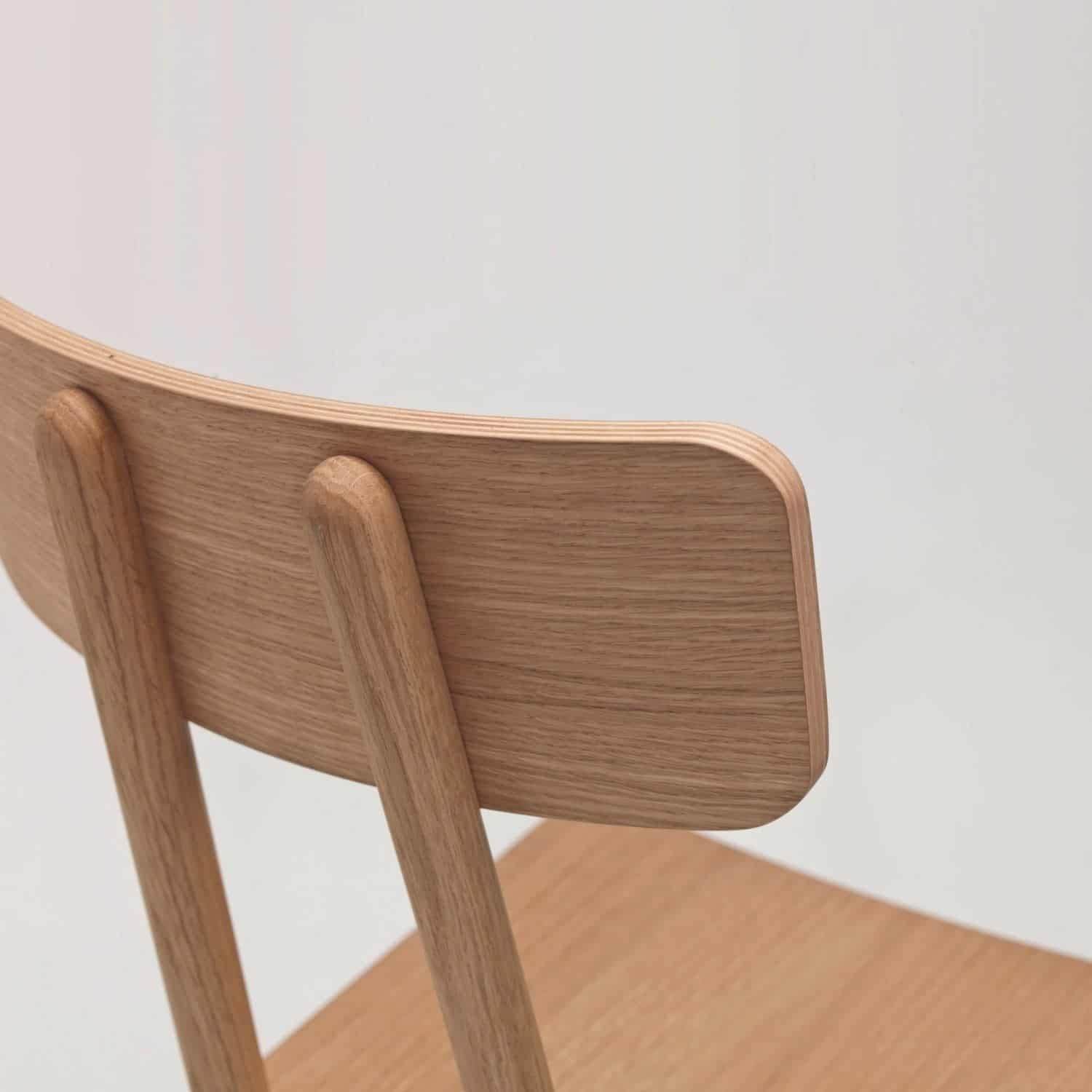
Transport, Distribution, and Resource Depletion
The story doesn’t end in the forest. Oak furniture’s environmental footprint stretches through tangled supply chains that rack up carbon emissions and drain resources.
Transport systems move furniture from factory to shop floor, burning through energy and materials. Global distribution puts even more pressure on energy reserves and raw resources.
Transportation Emissions and Carbon Costs
Getting oak furniture from forest to front room isn’t exactly green. Heavy oak means more fuel per mile, and the emissions add up fast.
Transport networks, road, rail, shipping, are major greenhouse gas contributors. Oak furniture often travels thousands of miles: logging site, sawmill, factory, retailer.
Key emission sources include:
- Lorries hauling timber from forests
- Ships moving furniture overseas
- Delivery vans dropping off orders
- Forklifts and warehouse gear
Production and transport both pile onto the environmental bill. International oak furniture can rack up 2-3 times more transport emissions than pieces made and sold locally.
Packaging doesn’t help, more weight, more volume, more fuel. Oak’s density means fewer items per truckload compared to lighter woods.
Resource Depletion in the Supply Chain
Environmental impacts crop up at every supply chain stage, often across continents. Oak furniture production taps both renewable and non-renewable resources along the way.
Primary resources consumed:
- Fossil fuels for vehicles and machinery
- Water for processing and cleaning
- Energy for sawmills and factories
- Packaging like cardboard and plastic
The chain starts with cutting oak, then moves through transport, processing, and manufacturing. Every step needs more than just wood.
Processing facilities use hefty amounts of electricity for kiln-drying. In many places, that’s still coal-powered, hardly ideal.
Making oak furniture also means adhesives, finishes, and hardware, most of it petroleum-based. These materials have their own supply chains before even reaching the factory floor.
Global sourcing can stress local water supplies, especially in regions with a lot of furniture processing. Not every area can handle that demand.
Benefits of Local Versus Global Distribution
Local oak furniture production comes with real environmental perks. Shorter distances mean less transport pollution and resource use.
Local distribution benefits:
- 60-80% lower transport emissions
- Less packaging for short trips
- Fresher timber, less drying and chemical treatment
- Support for regional forests and sustainable practices
UK-grown oak furniture skips international shipping, dodging the big emissions from cargo ships. Local makers often source timber within 50-100 miles, sometimes less.
Regional production keeps resources circulating closer to home. Local sawmills process timber faster, with less storage and fewer preservatives.
Of course, local options depend on what’s available nearby. Some furniture styles need oak species that just don’t grow in the UK.
Small-scale producers might have higher per-piece costs, but their environmental impact is usually lower. They tend to work closely with sustainable forest managers.
British oak furniture usually has lower transport costs and emissions than imports from North America or Europe. As fuel prices and carbon rules tighten, that gap only grows.
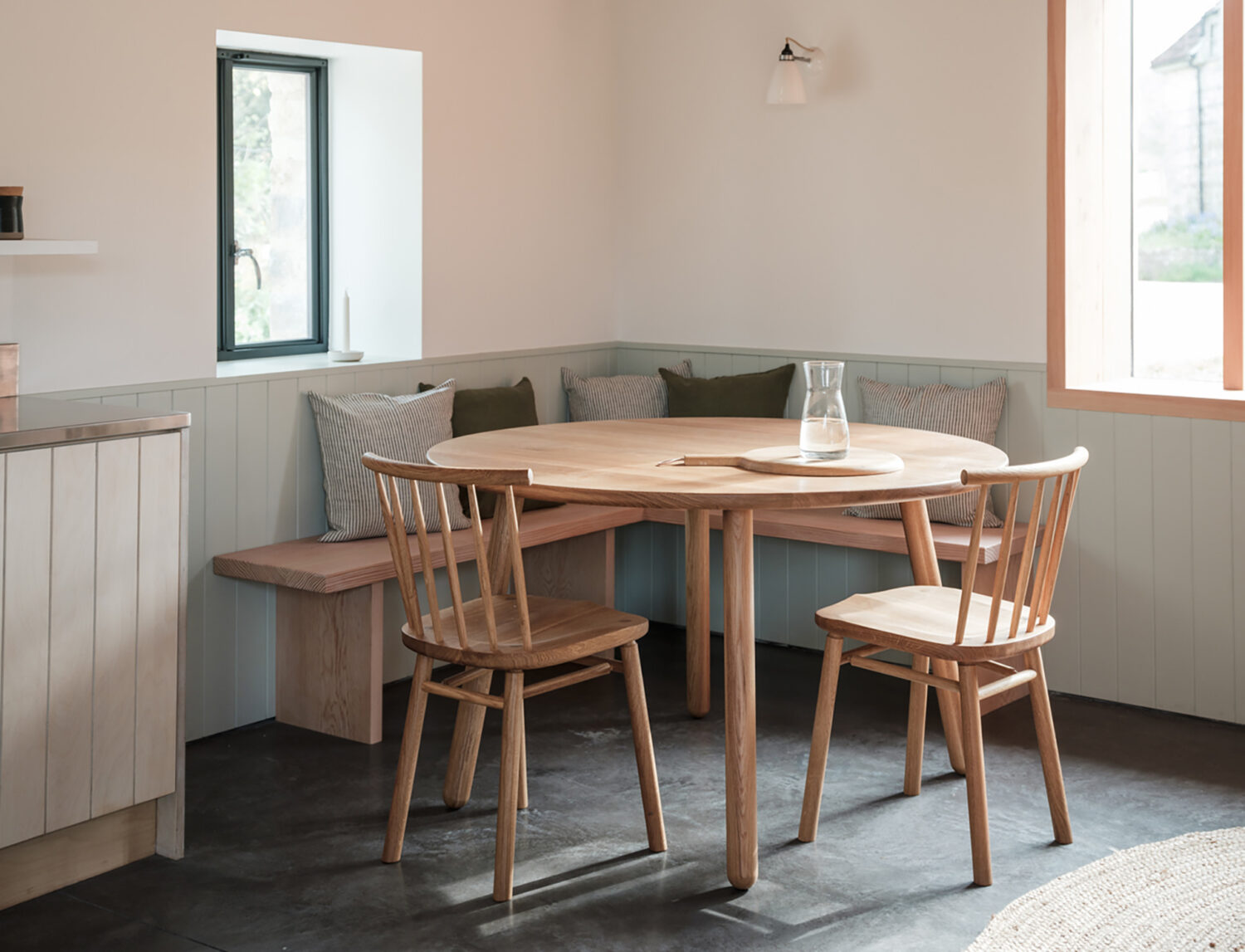
Informed Purchasing Decisions and Sustainable Design
Choosing wisely means knowing how to spot truly sustainable oak furniture, and understanding which certifications actually mean something. Good design focuses on durability, smart sourcing, and keeping the environmental toll low from start to finish.
How to Identify Eco-Friendly Oak Furniture
Eco-friendly oak starts with wood from managed forests, not ancient or endangered ones. Reclaimed or salvaged timber is even better, cutting demand for new logging.
How it’s made matters too. Sustainable makers use water-based finishes instead of harsh lacquers and skip adhesives with formaldehyde.
Key indicators of eco-friendly oak furniture:
- Reclaimed or salvaged wood
- Water-based stains and finishes
- Natural oil treatments
- Minimal, recyclable packaging
- Local production
Build quality is crucial. Solid joinery, dovetails, mortise-and-tenon, means a piece could last decades, unlike particle board options. Longevity is half the battle for sustainability.
Certifications and Labelling for Consumers
Forest Stewardship Council (FSC) certification is the gold standard for responsible wood. FSC-certified oak comes from forests managed to strict environmental and social rules.
Programme for the Endorsement of Forest Certification (PEFC) is another solid system. Both ensure forest renewal, wildlife protection, and fair working conditions.
Important certifications to look for:
| Certification | Focus Area | Verification |
|---|---|---|
| FSC | Responsible forestry | Independent auditing |
| PEFC | Sustainable forest management | Chain of custody tracking |
| Greenguard | Low chemical emissions | Indoor air quality testing |
| Cradle to Cradle | Circular design | Material health assessment |
Greenguard means low chemical emissions, good news for anyone with allergies or sensitive lungs. Some brands even share carbon footprint info or lifecycle assessments, which can help you weigh the true environmental cost from start to finish.
Prioritising Sustainability in Purchasing
Consumer environmental responsibility has a habit of nudging people’s purchasing decisions, especially when they actually grasp what’s at stake with sustainability. Prioritising functionality, right alongside environmental impact, can make all the difference if you want your sustainable choices to last and actually feel worthwhile.
Quality over quantity: that’s the real heart of sustainable purchasing. A single, solid oak chair that sticks around for fifty years? That’s miles better, environmentally speaking, than swapping out flimsy replacements every few years.
Sustainable purchasing priorities:
- Timeless design that’s unlikely to look dated next season
- Modular construction for repairs or the odd refresh
- Multi-functional pieces that mean you don’t need to cram in extra furniture
- Local craftspeople, supporting your own region’s economy
- Take-back programmes so old furniture doesn’t just end up in landfill
Budgeting isn’t just about the price tag on day one. It’s worth thinking about the whole lifecycle, sometimes that higher upfront cost pays you back in years of use and maybe even a decent resale value down the line.
It’s not always easy, but digging into a manufacturer’s environmental policies can help. The companies that are really walking the walk tend to be upfront about where they source materials, how they make things, and what they’re doing to cut waste.

