


Consumer attitudes have shifted. Materials, provenance and production now sit alongside form and comfort when people choose furniture. Wellness is no longer a spa word, it is a brief for everyday living. Which brings the focus to the living room’s anchor, the sofa.
A healthy sofa starts with clean inputs and a clear supply chain. Solid certified timber, water-based glues, low-VOC oils. Natural fillings such as wool, coir or latex. Upholstery in linen or wool that breathes. Fewer forever chemicals, fewer flame-retardant sprays, fewer plastics where the body meets the surface. The aim is simple, to protect indoor air and skin while keeping the room calm.
This sits within a broader movement in design that links comfort to measurable factors such as daylight, ventilation and indoor climate. The research tone is firm, but the result is human, better rooms to sit, read and sleep in.
Non-toxic sofas steer clear of the usual chemical suspects: flame retardants, formaldehyde, or those mysterious volatile organic compounds (VOCs). If you’ve ever unwrapped a new sofa and caught a whiff of something odd, that’s likely off-gassing, and it’s not great for your lungs.
Look for natural latex foam, organic cotton, hemp, wool, and timber frames left untreated. These materials tend to skip synthetic glues, dyes, and finishes that can fill your living room with unwanted vapours.

Best Upholstery Fabrics for Health
Choose breathable textiles. Linen, cotton, hemp and wool move air and manage moisture, so the sofa stays dry and comfortable through the seasons. They resist static, feel calm against skin and settle into use without trapping heat.
Natural fibres suit sensitive homes. They come from clear supply chains and accept low-toxin dyes and finishes. Wool brings natural flame resistance. Linen is strong and cool to the touch. Hemp is hard-wearing with a relaxed hand. Cotton is familiar and easy to maintain. Blends of these fibres improve wear without losing breathability.
Synthetics have strengths, mainly stain resistance and cost. They also tend to trap warmth and odour, and some coatings can raise indoor VOCs. If you want performance without a plastic feel, look for natural fibres with a protective weave or a removable, washable cover.
Care supports health. Vacuum with a soft brush, rotate cushions and air covers outdoors when possible. Treat spills promptly with mild soap and water. For slipcovers, follow the maker’s wash and dry guidance to avoid shrinkage. Small, regular habits keep fabric cleaner and the room fresher.
Certifications help you choose well. Look for OEKO-TEX Standard 100 to screen for harmful substances. GOTS signals organic fibre and responsible processing. EU Ecolabel and GREENGUARD Gold indicate low emissions in use. Pair certified fabric with water-based adhesives and low-VOC timber finishes, and the sofa works with the air in your home, not against it.
Advantages of Linen
Linen, spun from flax, is a bit of an unsung hero. It’s breathable, tough, and wicks away moisture, handy if you’re worried about mould or mildew.
It’s usually processed with fewer chemicals, so there’s less risk of hidden irritants. Plus, linen holds up well over time and doesn’t need harsh treatments to look good.
Unbleached or low-impact dyed linen is common, which means lower chemical exposure. It’s a solid choice if you want hypoallergenic, natural comfort, and it doesn’t seem to grab dust like some synthetics do.
Benefits of Organic Cotton
Organic cotton skips synthetic pesticides and fertilisers, so there’s less residue to worry about. That’s good news for anyone sensitive to chemicals.
Certified organic cotton means fewer toxins and a softer, more breathable feel. It’s pretty versatile, too, and can be blended for extra durability when needed.
Since it’s processed with fewer chemicals, the fabric keeps more of its natural qualities. That’s a win for comfort.
Why Choose Hemp
Hemp’s a workhorse, tough, naturally resistant to bugs, and doesn’t need much water or chemicals to grow. That’s better for you and the environment.
It’s antimicrobial and moisture-wicking, so it helps keep dust mites and bacteria off your sofa. Over time, it holds up without needing much in the way of chemical treatments.
If you care about sustainability and health, hemp’s worth a look. It’s not the softest at first, but it wears in nicely.
Assessing Other Natural Fabrics
Wool is naturally flame retardant and bounces back well, but it can be itchy or trigger allergies. It also needs special cleaning.
Silk is smooth and hypoallergenic, but it’s fragile and costly. It doesn’t always hold up to daily wear unless treated, and that can add chemicals.
Jute and coir have a rustic feel and last a long time, but they’re often blended with other fibres for comfort. On their own, they’re a bit stiff for lounging.
If you’re chasing natural fabrics, steer clear of those “easy-clean” coatings: PFAS and formaldehyde are all too common.

Foam and Cushion Fillings: Health Impacts
What’s inside your sofa cushions can be just as important as what’s outside. Some fillings quietly shed chemicals or break down, while others are cleaner and more resilient.
It’s a balancing act… comfort, durability, and what you’re actually breathing in.
Risks of Polyurethane Foam
Polyurethane foam is everywhere: it’s cheap, comfy, and easy to shape. But it’s often loaded with flame retardants, some of which are linked to hormone and neurological issues.
It can release VOCs, which aren’t exactly great for your eyes, skin, or lungs. Manufacturing involves chemicals like diisocyanates, which are known troublemakers for respiratory health.
Even after curing, low-level emissions can linger. CertiPUR-US® certification is better than nothing, but foam still breaks down over time, sending tiny particles into the air.
Natural Latex and Dunlop Latex
Natural latex, especially the Dunlop variety, is a solid alternative. It’s made from rubber tree sap and shrugs off dust mites, mould, and bacteria… good news for allergy sufferers.
Dunlop latex is denser and firmer, so it gives more support and keeps its shape longer. It’s less likely to crumble than polyurethane, and there’s no need for flame retardants.
Heat retention can still be a thing, but breathability is usually better. Always check for certified organic or all-natural labels, some blends sneak in synthetics.
Alternative Organic Fillings
Wool, coconut coir, and organic cotton are natural cushion options that skip the toxins. Wool is naturally flame-resistant and helps regulate temperature, all without chemicals.
Coconut coir is firm and shrugs off moisture, making it a durable pick. Organic cotton is soft, but you’ll want to be sure it’s processed without extra chemicals.
These fillings might need more fluffing and care, but they spare you the VOCs and flame retardants common in synthetics. Sometimes, they’re layered to get just the right feel.
If you’re serious about health, organic fillings are hard to beat. For more about synthetic foam risks, look up polyurethane foam toxicity details.

Choosing Sustainable Sofa Frames
The frame is the sofa’s skeleton, and its impact goes beyond just holding everything up. Material choices affect durability and the environment.
Responsibly sourced wood and long-lasting construction are key, nobody wants to replace a sagging sofa every few years. Sourcing matters here.
FSC-Certified Wood
FSC-certified wood comes from forests that aren’t being stripped bare. It’s a way to know the wood was harvested with care for wildlife and local people.
This certification means less deforestation and better forest health overall. It also tends to be strong and durable, which is what you want for a sofa frame.
FSC labels are worth checking for, they give some peace of mind that you’re not contributing to environmental messes elsewhere.
Solid Wood vs Engineered Wood
Solid wood frames are cut from actual timber, sometimes joined together. They’re tough, repairable, and can last decades if cared for. If the wood’s FSC-certified, even better.
Engineered wood, like plywood or MDF, uses bonded fibres or veneers. It’s often made with recycled material and uses up lower-grade wood, which is smart from a resource perspective.
The catch? Engineered wood can contain adhesives that release VOCs. If you go this route, check for low-emission certifications to keep your air cleaner.
Between the two, solid wood with FSC certification is hard to beat for longevity and ethics. Engineered wood works if you’re careful about what glues are used.

Understanding Sofa Certifications
Certifications aren’t just marketing fluff. They help cut through the noise and tell you which materials meet higher health and environmental standards.
They cover everything from cotton and foam to finished textiles, and they’re a shortcut to transparency if you don’t have time to investigate every ingredient.
GOTS Certified Organic Cotton
GOTS (Global Organic Textile Standard) means the cotton was grown without synthetic pesticides or GMOs. It’s good for biodiversity and soil health, too.
Processing has to be clean, no toxic dyes, and factories need to treat wastewater and treat workers fairly. Sofas with GOTS certified cotton are usually safer and more durable, with better breathability.
CertiPUR-US Foam
CertiPUR-US is for foam, ensuring it’s made without ozone depleters, heavy metals, or nasty flame retardants. It’s also tested for low VOCs, which helps with indoor air quality.
If you’re worried about chemical exposure, this certification is worth looking for. It’s not perfect, but it’s a step in the right direction.
OEKO-TEX Certified Fabrics
OEKO-TEX checks textiles for hazardous substances… pesticides, heavy metals, and anything that could trigger allergies. The certification follows the fabric from raw fibre to finished product.
Manufacturers have to meet sustainability and ethical standards, too. OEKO-TEX on a sofa label means the fabric’s been through a lot of scrutiny for your safety.

Avoiding Harmful Chemicals in Sofas
Let’s face it: plenty of sofas are hiding toxic chemicals, from fire retardants to formaldehyde finishes. These can mess with indoor air and, over time, your health. Choosing furniture without these additives is better for your air, your lungs, and your peace of mind. It’s not always easy, but it’s worth the effort.
Fire safety, without the fallout
The UK still has some of the strictest flammability rules for domestic upholstery. Products must pass recognised ignition tests, but the law does not force the use of flame-retardant chemicals. Many makers comply by using routes that avoid added flame retardants. E.g wool-rich fabrics with natural fire resistance. I.e. compliant barrier interliners. I.e. fillings and covers that meet BS 5852 or EN 1021 tests through construction, not chemistry. Older sofas and some low-cost imports may still contain legacy flame retardant additives. These migrate into house dust over time. Replacing worn fillings and choosing flame retardant-free compliance routes reduces that exposure.
Low-VOC and low-formaldehyde finishes
Formaldehyde and other VOCs often come from adhesives, engineered panels and certain coatings. Favour solid, certified hardwood frames where possible. If engineered wood is used, ask for E1-class emissions under EN 717-1 or EN 13986. That keeps formaldehyde at the lower EU threshold. Look for water-based glues and plant-based oils or waxes on visible timber. These finishes protect the wood while keeping indoor emissions down.
EU and UK safeguards to look for
REACH compliance is the baseline across the EU and the UK. It restricts substances of very high concern. Beyond that, third-party marks help. OEKO-TEX Standard 100 screens textiles for harmful substances. GOTS covers organic fibre and responsible processing. EU Ecolabel signals lower environmental impact. Blue Angel and France’s A+ indoor air label indicate low emissions in use. Pair any of these with an E1 frame and low-VOC finishes and you have a clear, European route to a healthier sofa.
Ask how the sofa meets UK or EU fire tests. Ask if a barrier interliner or wool fabric is used rather than chemical FR finishes. Request formaldehyde emission class for any engineered wood. Confirm the type of adhesives and timber oils. Ask for fabric certificates, not marketing claims. A good supplier will provide this in writing. You get a sofa that satisfies local safety rules, respects indoor air and avoids persistent chemicals where alternatives exist. That is the UK and EU standard done well.

Health and Comfort
Choosing a sofa isn’t just about how it looks. The design has a direct impact on comfort and spinal health. Support in the right spots and cushion firmness really matter for posture, especially if you’re clocking hours on the couch.
Lumbar Support and Back Health
Good lumbar support keeps the lower spine’s natural curve in check, reducing strain and discouraging slouching. Sofas with built-in lumbar support promote better posture, which is vital for avoiding chronic back pain down the line.
Models with adjustable or contoured backrests that line up with the lumbar region can help distribute weight evenly and ease pressure on the lower back. Without proper support, you’re basically inviting discomfort and muscle fatigue.
Materials make a difference, too. Firm, responsive back cushions, say, high-density or memory foam, adapt to your shape and provide steady support. That’s how you keep your spine in a healthy, neutral alignment while sitting.
Optimal Cushion Firmness
Cushion firmness plays a big role in both comfort and spinal health. If it’s too soft, you’ll sink in and end up misaligned; too firm, and you might get pressure points that make relaxing impossible.
The sweet spot is usually a medium-firm feel, which offers support without feeling like a park bench. High-resilience foam with a softer top layer can strike this balance nicely.
Seat depth and height should work with the cushion firmness, not against it. A seat that’s too deep or high, paired with the wrong firmness, can nudge you into bad posture. Adjustable cushions can help tailor the sofa to different body types and preferences.
Stain Resistance and Maintenance
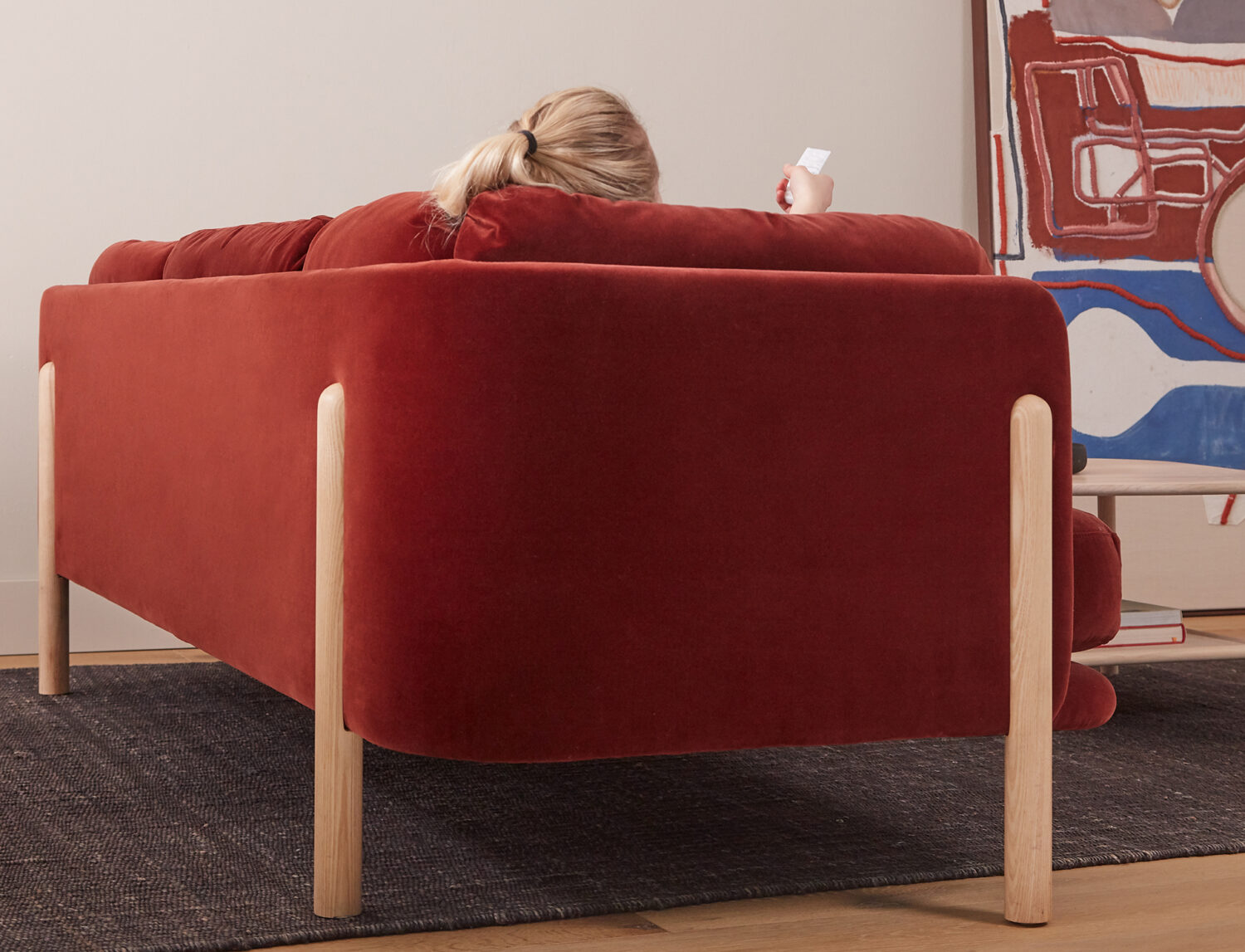
Stain resistance isn’t just about keeping things looking nice, it helps prevent dirt, allergens, and bacteria from building up. Easy-to-clean fabrics mean you don’t have to reach for harsh chemicals every time there’s a spill, which is better for indoor air and your peace of mind.
Stain-Resistant Fabric Options
Some fabrics do a better job at balancing durability and stain resistance. Leather, for instance, shrugs off spills with a simple wipe. Wool naturally resists moisture and stains, and it’s surprisingly good at regulating temperature.
Synthetics like polyester and microfiber are popular for their stain resistance and often come with machine-washable or removable covers. Performance velvet is another contender, tougher than it looks and surprisingly stain-resistant, so it’s handy for families or pet owners.
Linen breathes well and resists stains, but it does need a bit more TLC than leather or synthetics. For added protection, some sofas come with stain-resistant finishes like Crypton®, which boost defence without sacrificing comfort.
Cleaning and Upkeep for Healthy Sofas
Regular vacuuming keeps dust and allergens at bay. When spills happen, quick spot cleaning with mild detergent and a damp cloth is best, just don’t overdo the moisture, or you risk mildew. For wool or other natural fibres, a professional clean every few years helps preserve the fabric.
Leather sofas just need a damp wipe and, occasionally, a bit of conditioner to keep them supple. Synthetics are often machine washable, provided the covers come off, or you can use upholstery cleaners made for stain-resistant materials. Avoid fabric softeners on natural fibres, they tend to leave residues that attract dirt.
Setting a cleaning routine and dealing with spills right away helps prevent stains and keeps your sofa in good shape. If you’ve got pets or kids, there’s more advice under pet-friendly, durable fabrics recommended for upholstery.
Cost vs Health Benefits
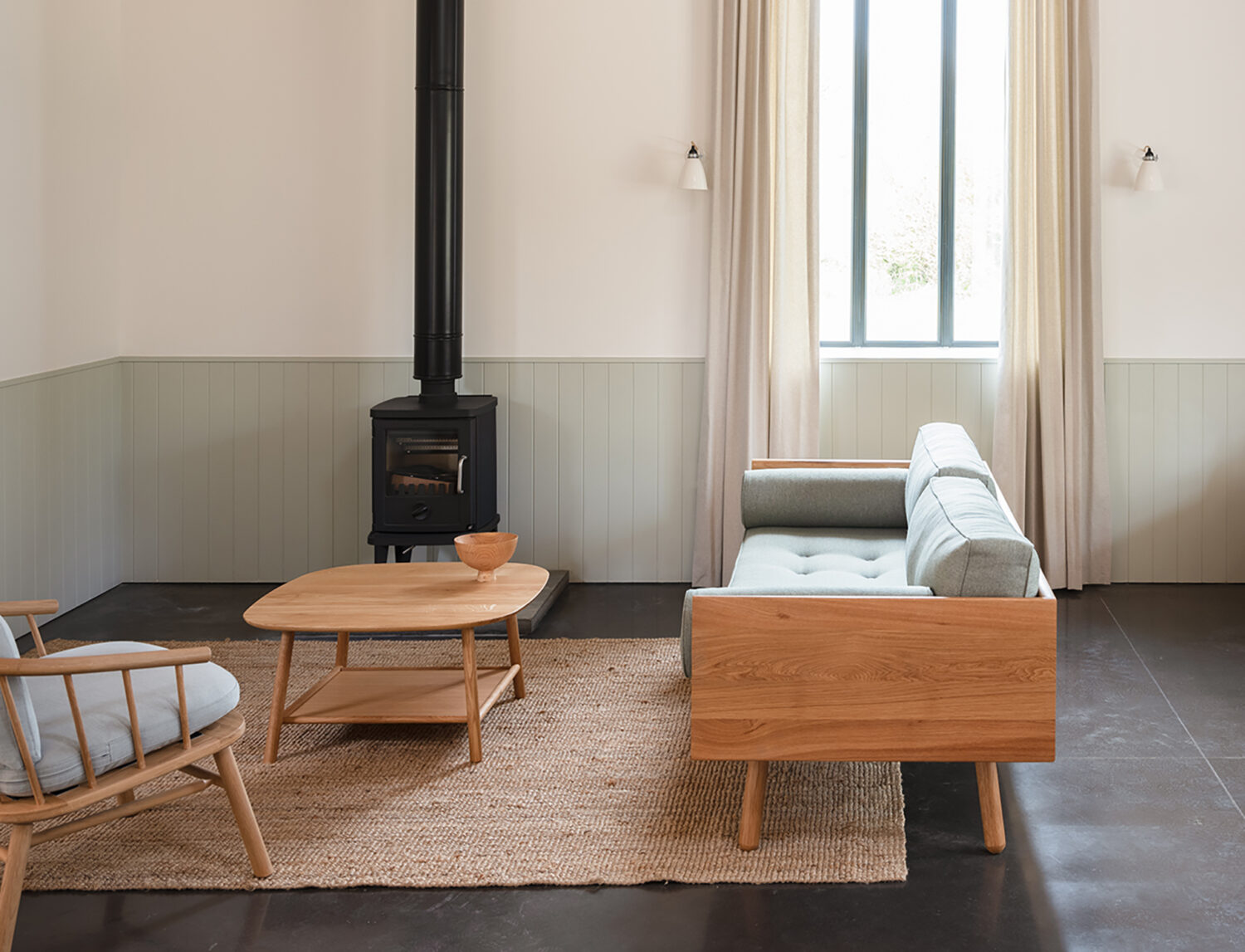
The balance between what you pay upfront and the long-term health benefits of a sofa is worth considering. Spending more on healthier materials and thoughtful design can actually save money in the long run, not to mention spare you some aches and pains.
Longevity and Durability
The longer a sofa lasts, the better value it offers. High-quality frames, i.e. kiln-dried hardwood, hold up over time and provide lasting support. Cheaply made sofas often sag early, which can mess with your posture and lead to back pain.
Upholstery counts, too. Natural, breathable fabrics like cotton or wool help regulate temperature and cut down on allergens, making for a healthier living space.
Key durability factors:
- Solid hardwood frames for stability
- High-density foam cushions for support
- Natural, breathable upholstery for comfort and air
Putting money into durable, supportive sofas can lower your risk of musculoskeletal issues, sometimes, that higher price tag really is justified.

